The pipe that carries waste from your house to the public sewer main is called the sewer lateral, and in almost every case it belongs to you, the homeowner, not the city. That catches people off guard when a lateral fails, because a full replacement can run several thousand dollars and many homeowners assume the utility handles anything underground. The line where public responsibility ends and yours begins is the thing worth understanding before you ever have a problem, since it determines who pays for the repair.
The rule most jurisdictions follow is straightforward in principle. You own the lateral from your home out to the point where it connects to the public main, and the municipality owns the main itself. The complication is that the connection point, and who covers the portion of the lateral running under the street, varies from one metro Atlanta jurisdiction to the next.
Where the Line Splits Between You and the City
Picture the path your wastewater takes. It leaves the house, runs through a lateral buried across your yard, passes under the curb or sidewalk, and ties into the public main that usually runs beneath the street. The homeowner owns the lateral, meaning the run from inside the house all the way to the connection at the main. The city or county owns the main. What differs by jurisdiction is the stretch of lateral that sits under public property, the section beneath the street and sidewalk.
Some authorities take responsibility for that portion under the roadway because tearing up a public street requires permits, traffic control, and municipal coordination that a homeowner cannot arrange. Others hold the homeowner responsible for the entire lateral right up to the main, street excavation included, which is the more expensive scenario. Neither approach is universal across the metro area, so the specific rule depends on which county or city water authority serves your address.
The Breakdown at a Glance
Here is how the ownership usually divides along the length of the line, from inside your home out to the public main.
| Section of the line | Who is usually responsible | What that means for you |
|---|---|---|
| Inside the house to the foundation | Homeowner | Any clog or break here is yours to repair |
| The lateral, from the foundation across your yard | Homeowner | The longest and most expensive stretch, and it is on you |
| The lateral where it runs under the street or sidewalk | Varies by jurisdiction | Some metro Atlanta authorities cover it, some do not |
| The public main under the street | The city or county | Report it, but the repair is not your bill |
Why Metro Atlanta Laterals Fail in the First Place
Knowing you own the lateral matters more here than in many parts of the country, because conditions around metro Atlanta are hard on these lines. Mature trees in older neighborhoods send roots into pipe joints looking for moisture, and a root intrusion can choke or crack a lateral over a few seasons. Our red clay soil shifts with wet and dry cycles, stressing older pipe until it bellies or separates at a joint. And homes built before the 1970s often still have clay or cast iron laterals that are now decades past their intended life. Our Georgia clay soil article gets deeper into why lines here fail on a faster timeline.
Because the lateral is yours, the repair method is your decision too, and there are options beyond digging up the whole yard. A camera inspection locates the exact break or blockage first, which keeps a repair from becoming exploratory excavation. From there, trenchless sewer repair can often fix the line without trenching the entire lawn.
How to Confirm the Rule for Your Address
Because responsibility splits differently across the metro, the reliable way to know your situation is to check with the water or sewer authority that bills you. Your monthly statement names the provider, whether that is a county water department or a city utility, and their office can tell you exactly where their responsibility ends and yours begins for your specific street. It is worth knowing before a failure rather than during one, when you are already dealing with a backup.
If a backup or a suspected lateral break is already underway, a plumber can determine quickly whether the problem sits on your side of the line or the city's, which tells you who to call and who pays. That distinction is the first thing professional sewer service sorts out on a lateral call, before any repair recommendation.
Frequently Asked Questions
Is the sewer line from my house to the street my responsibility?
Yes. The lateral running from your home across your yard to the public main is the homeowner's responsibility in almost all cases. That is the longest and most costly stretch of the line. What varies is the portion under the street itself, which some metro Atlanta authorities cover and others leave to the homeowner.
Who pays if the sewer main under the street is broken?
The public main is owned by the city or county, so a break in the main itself is the municipality's responsibility to repair, not yours. If you suspect the problem is in the main rather than your lateral, report it to your water authority. A plumber can confirm which side of the connection the failure is on before anyone starts digging.
How much does a sewer lateral repair cost?
It depends on the length of the line, how deep it sits, the cause of the failure, and whether the damaged section runs under a driveway or street. A localized repair costs far less than a full lateral replacement. A camera inspection is the step that pins down the scope, so you are pricing an actual repair rather than a guess.
Does homeowners insurance cover sewer line repair?
Standard policies often exclude gradual failures like root intrusion or age-related collapse, though some homeowners carry a separate service line endorsement that helps. Coverage varies by policy, so your insurer is the authority on what applies to you. Documentation from a camera inspection can support a claim if your coverage does apply.
We Are Ready to Help
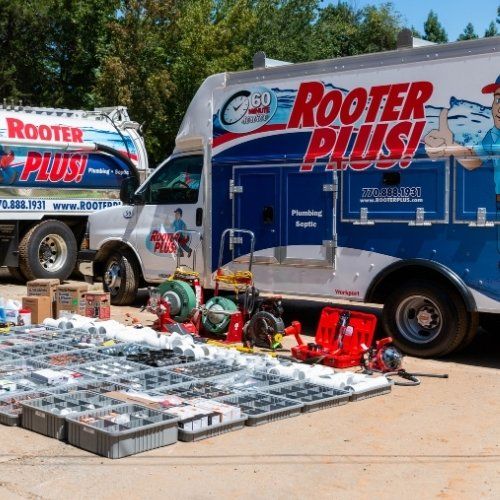
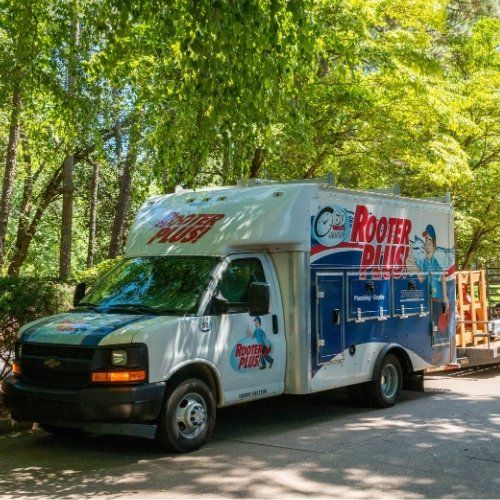
RooterPLUS! has diagnosed and repaired sewer laterals across metro Atlanta since 1994, in more than 100,000 homes. We will camera the line, pinpoint whether the failure is on your side or the city's, and give you a written estimate before any work starts.
Live dispatch answers 24/7 with no upcharge for nights, weekends, or holidays.
Call 770-888-1931 or schedule service online.