If you have ever lived in the Atlanta area, you know all about Georgia red clay. It sticks to your shoes, stains your driveway, and can damage your underground sewer and water lines. Sewer line problems are one of the most common (and most expensive) plumbing issues Georgia homeowners face, and clay soil is a major reason why.
What Makes Georgia's Clay Soil So Tough on Pipes?
Clay soil behaves differently from sandy or loamy soil. It absorbs water and expands when it rains, then shrinks and cracks during dry spells. In Georgia, where we cycle between heavy summer downpours and dry stretches, this constant expanding and contracting creates enormous pressure on everything buried underground, including your sewer and water lines.
Think of it like this: your pipes are sitting in soil that constantly squeezes and releases them, season after season. Over time, that repeated stress causes joints to separate, pipes to crack, and entire sections to shift out of alignment. Older homes with cast iron or clay pipes are especially vulnerable, but even newer PVC lines are not immune to the forces Georgia's soil puts on them.
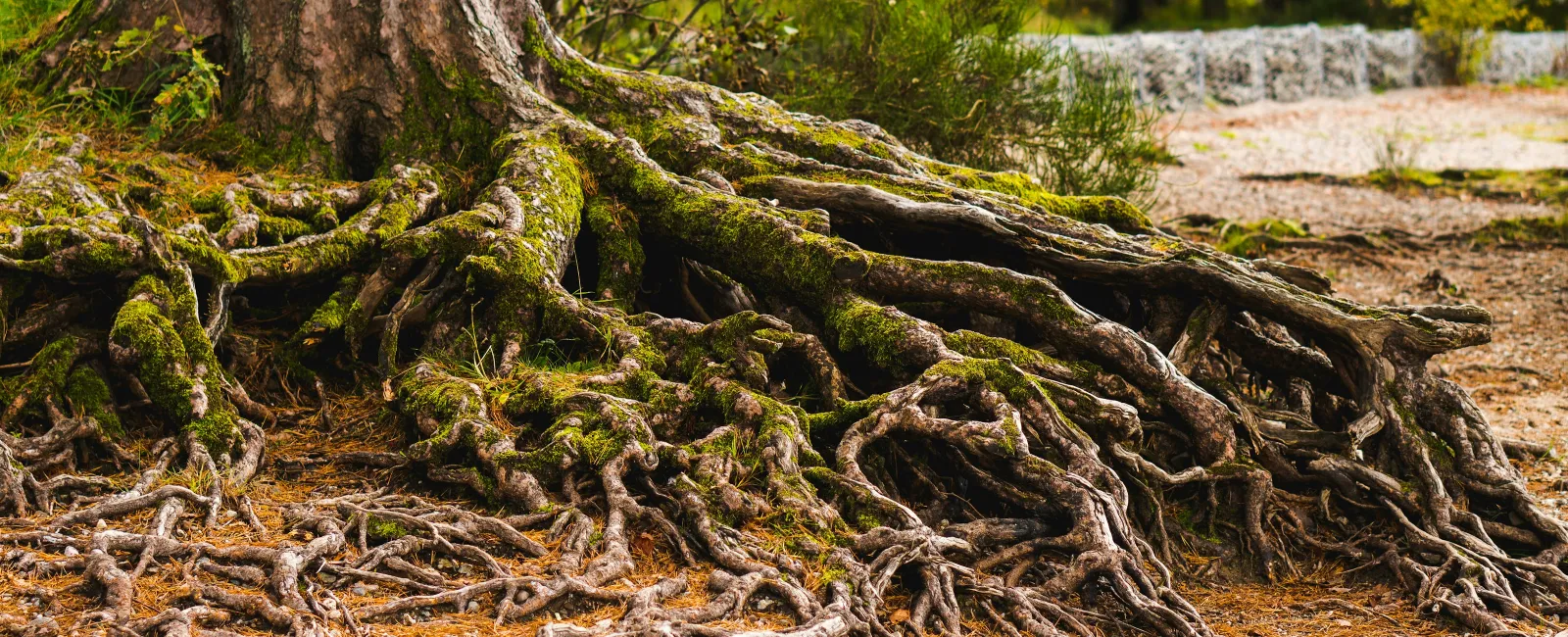
The clay also holds moisture close to the surface, which attracts tree roots looking for water. Those roots will find even the smallest crack in a pipe and work their way inside, leading to root intrusion that can block your entire sewer line.
Common Sewer Line Problems Caused by Clay Soil
Georgia's clay soil contributes to several specific sewer line problems that plumbers in the Atlanta area see on a regular basis:
Cracked and broken pipes. The constant soil movement creates stress fractures that grow over time. What starts as a hairline crack can become a full break, leading to a sewer line leak that contaminates your yard and can affect your home's foundation.
Pipe bellying and misalignment. When clay soil shifts, it can push pipe sections out of their original position. This creates low spots, called bellies, where waste and water collect instead of flowing freely toward the main sewer line.
Collapsed sewer lines. This is the worst-case scenario. When soil pressure, root intrusion, and pipe deterioration combine, an entire section of pipe can cave in on itself. Collapsed sewer line repair is a significant undertaking, but catching it early makes the process much more manageable and less costly.
Root intrusion. Georgia's lush trees and landscaping are beautiful, but their root systems are aggressive. Roots are naturally drawn to the moisture and nutrients inside sewer pipes. Once they penetrate a crack or joint, they grow rapidly and can completely block the flow of waste, creating serious backups inside your home.
Signs of Sewer Line Problems Every Atlanta Homeowner Should Know
The tricky thing about underground pipe damage is that you cannot see it happening, but your home will give you warning signs if you know what to look for. Here are the most common signs of sewer line problems:
Slow drains throughout the house. A single slow drain usually means a localized clog. However, when multiple drains in your home are sluggish at the same time, especially in the lowest level of your house, it often points to a problem in your main sewer line.
Sewage backups or gurgling sounds. If water backs up into your shower when you flush the toilet, or you hear gurgling sounds coming from your drains, your main line is struggling to move waste out of your home.
Foul odors in your yard or home. You should never smell sewage around your property. If you do, it likely means a cracked or broken drain pipe is leaking waste into the surrounding soil.
Soggy, sunken, or unusually green patches in your yard. A leaking sewer line acts like an underground sprinkler, saturating the soil above it. If one section of your lawn is noticeably greener or softer than the rest, a sewer line leak could be the cause.
Foundation cracks or settling. When a sewer line leak saturates the clay soil near your foundation, it can cause the soil to expand and put pressure on your home's structure. Over time, this may lead to cracks in your foundation walls or uneven floors inside.
How Do I Know If My Main Sewer Line Is Clogged?
This is one of the most common questions Atlanta homeowners ask their plumber, and the answer is usually pretty straightforward. If more than one drain in your home is backing up or draining slowly at the same time, there is a good chance your main sewer line is clogged.
Other signs include water appearing in unusual places when you use plumbing fixtures. For example, running the washing machine might cause water to bubble up in a nearby floor drain. Or flushing a toilet might send water backing up into the bathtub.
Protecting Your Sewer and Water Lines in Georgia's Clay Soil
You cannot change the soil under your home, but you can take steps to protect your pipes and catch problems before they escalate.
Schedule regular sewer camera inspections. Even if everything seems fine, a camera inspection every couple of years gives you an early look at developing issues like root intrusion, cracking, or soil shift damage.
Be mindful of landscaping. Avoid planting large trees directly over your sewer line. If you are not sure where your line runs, a plumber can locate it for you.
Address slow drains promptly. Do not ignore the early warning signs. A slow drain today could be a full backup tomorrow, and catching a cracked pipe early is always cheaper than dealing with a collapsed sewer line repair later.
Work with a plumber who understands Georgia soil. Not every plumbing company has experience dealing with the unique challenges clay soil presents. You want a team that knows the local conditions and can recommend the right solutions for your specific situation.
Do Not Wait Until You Have a Mess on Your Hands
Georgia's clay soil is not going anywhere, and neither are the challenges it creates for your home's plumbing. If you are noticing any signs of sewer line problems, or if it has been a while since your last inspection, now is the time to act.
The team at RooterPLUS! has been helping Atlanta-area homeowners deal with clay soil plumbing challenges for years. From camera inspections to collapsed sewer line repair, we have the tools and experience to keep your sewer and water lines flowing the way they should.
Give us a call today to schedule an inspection and get ahead of the problem before it gets ahead of you.