Your sewer line is one of the most critical parts of your home's plumbing system, and it is also one of the hardest to monitor because it is buried underground. When something goes wrong with your sewer line, the consequences can range from slow drains to raw sewage backing up into your home.
Atlanta homeowners face specific sewer line challenges due to the region's red clay soil, mature tree growth, and aging infrastructure in many neighborhoods.
Warning Signs of Sewer Line Problems
Sewer line damage rarely happens all at once. Here are the signs that something may be wrong with your sewer line in Atlanta.
Multiple drains in your home are slow or backing up at the same time. This is the most common early indicator of a main sewer line issue. Foul odors are coming from your drains or your yard. You should never smell sewage inside or outside your home. Your yard has unexplained wet or soggy spots, especially in the area between your home and the street. The grass over your sewer line is noticeably greener or more lush than the surrounding lawn. This happens because leaking sewage acts as fertilizer. You hear gurgling sounds from your toilets when you run water in a sink or shower. Sewage or wastewater is backing up into your lowest drains, such as a basement floor drain or ground-level bathroom.
If you notice any combination of these symptoms, it is time to schedule a sewer camera inspection.
What Causes Sewer Line Damage in Atlanta?
Tree root intrusion is the number one cause of sewer line damage in the Atlanta area. Large hardwoods like oaks and maples send roots deep into the soil searching for water, and your sewer line is a prime target. Once roots penetrate a small crack or joint, they grow inside the pipe and create major blockages.
Pipe deterioration is another common cause, especially in older Atlanta neighborhoods like Virginia-Highland, Inman Park, and Candler Park where homes may still have original clay or cast iron sewer pipes. These materials break down over time and are vulnerable to shifting soil and ground movement.
Ground shifting from Atlanta's clay soil can also cause pipes to sag, creating low spots called "bellies" where waste collects and blocks flow.
Sewer Line Repair Methods
Modern sewer line repair has come a long way. Atlanta homeowners now have options beyond traditional excavation.
Trenchless pipe lining (also called cured-in-place pipe or CIPP) involves inserting a resin-coated liner into the existing pipe and inflating it to create a new pipe inside the old one. This method works well for pipes with cracks, root damage, or moderate deterioration. It requires minimal digging and can usually be completed in a day.
Trenchless pipe bursting is used when the existing pipe is too damaged for lining. A new pipe is pulled through the old one, breaking the old pipe apart as it goes. This also requires minimal excavation.
Traditional excavation is necessary when the pipe has completely collapsed, has severe bellying, or when trenchless methods are not feasible due to the pipe's condition or location.
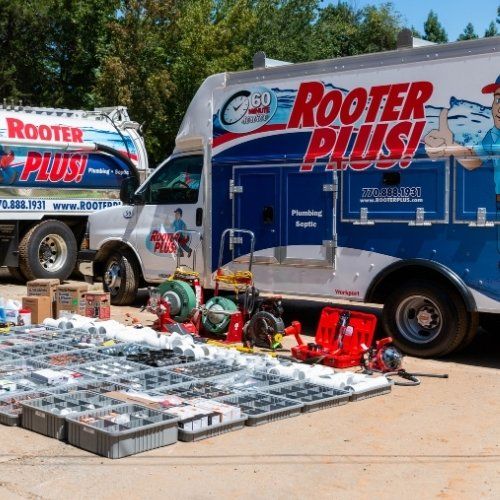
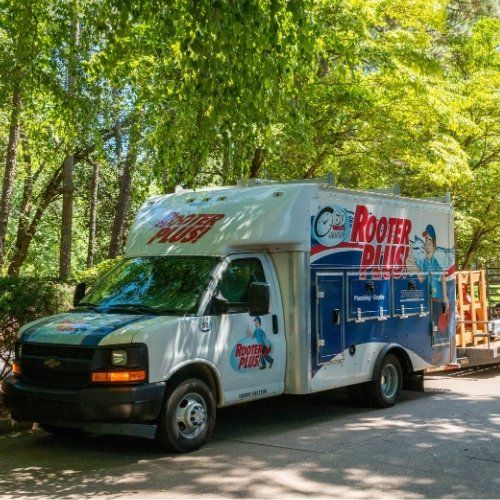
At RooterPLUS, we start every sewer line repair in Atlanta with a camera inspection to determine exactly what is happening inside your pipe. This allows us to recommend the most effective and least invasive repair method.
Sewer Line Replacement in Atlanta
In some cases, a full sewer line replacement is the better long-term option. If your pipe is severely deteriorated, has multiple points of damage, or is made of materials that will continue to fail, replacing the entire line can save you from repeated repair costs.
RooterPLUS offers both trenchless and traditional sewer line replacement in Atlanta, and we will always explain your options so you can make an informed decision.
Suspect a sewer line problem? Call RooterPLUS for a sewer camera inspection and expert sewer line repair in Atlanta.