Rusty water is one of the most common plumbing complaints we hear from Atlanta homeowners, and the right fix depends entirely on its source.
What Rust-Colored Water Actually Is
That orange, brown, or reddish tint is almost always iron oxide. It can come from old steel or iron pipes inside your home, sediment inside your water heater, a stirred-up city main, or iron naturally present in well water.
It usually isn't toxic, but it can still leave stains on sinks, tubs, laundry, and white grout. It also messes with the taste of your drinking water, clogs faucet aerators, and wears down appliances like dishwashers and ice makers faster than they should.
Why Is My Toilet Water Brown?
A brown toilet bowl is one of the first places people notice the problem, and it makes sense once you understand the plumbing behind it. Toilet tanks hold still water, so any sediment traveling through your pipes has time to settle there. You'll often see a rust ring around the waterline or a light brown tint in the tank before you notice anything at the sink.
The 4 Main Causes of Rusty Water From Faucets
1. Your water heater. If the rust only shows up on the hot side, your water heater is almost certainly the source. Sediment builds up inside the tank over the years, and as the anode rod wears out, the interior starts to corrode. Water heaters older than 10 to 12 years are prime candidates.
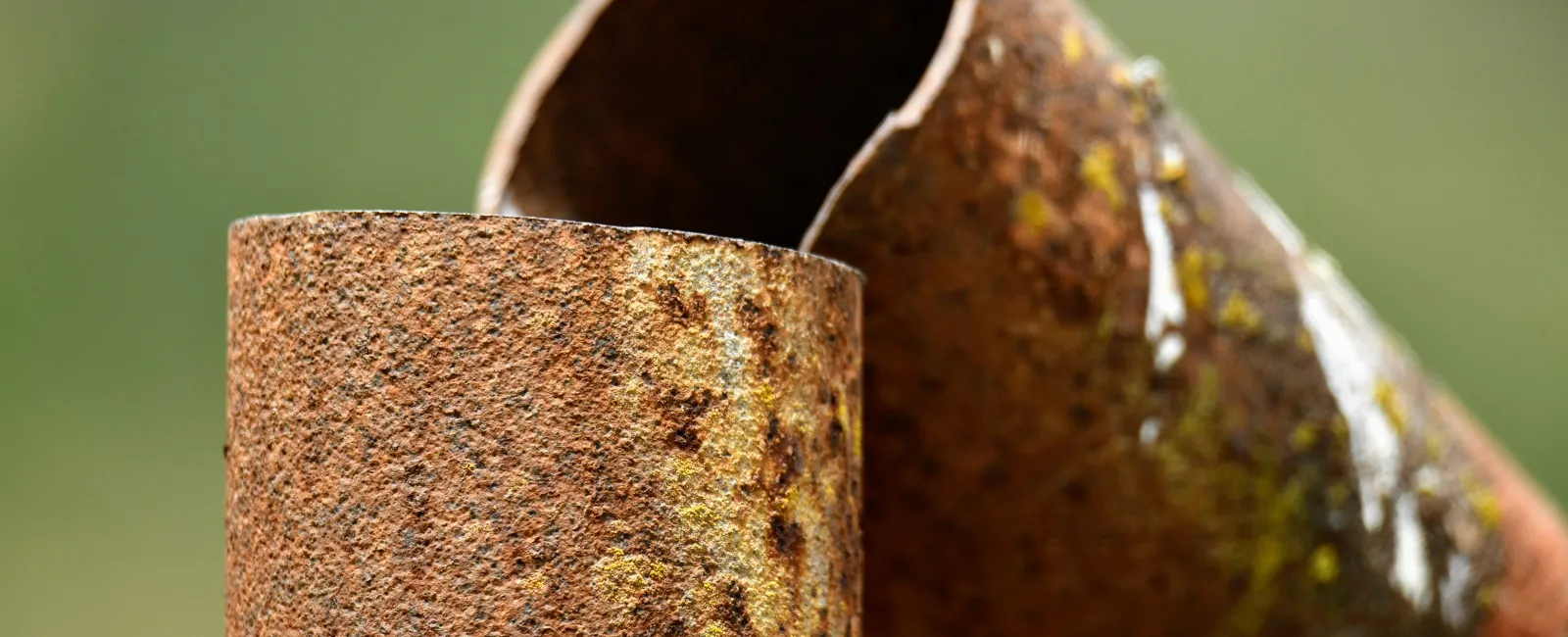
2. Aging pipes inside your home. Homes built before the 1970s often have galvanized steel supply lines. As the zinc coating wears off, the steel underneath oxidizes, sending rust flakes through your plumbing. If your home has original galvanized pipes, replacement is usually a question of when, not if.
3. A disturbance in the city main. Sometimes the water entering your home is the problem. Nearby hydrant flushing, road construction, a water main break, or a sudden pressure change can stir up sediment that has been sitting in the utility's pipes for years. This kind of rust colored water from the faucet event is usually short-lived and clears in a few hours.
4. Iron in well water. If your home runs on a private well, naturally high iron content in the groundwater is a common reason for rust-tinted water. Unlike city issues, this one won't fix itself. It needs a treatment system to solve for good.
Is Rusty Water Safe to Drink or Shower In?
In the short term, rusty water usually won't hurt you. Iron is a mineral your body already needs, and the amount present in discolored tap water is typically small. However, it tastes metallic, can stain clothing and porcelain, and can sometimes mask bigger issues like bacterial contamination, especially in private wells.
For a one-off event after a hydrant flush, running the cold water for 15 to 20 minutes, then using it normally, is fine. If the rust keeps coming back, stop drinking and cooking with it until you know the source. Showering is generally okay for a day or two, though it may leave residue on light-colored tile, towels, or freshly bleached clothing.
If you spot rust flakes in water, not just a tint, stop using the tap for drinking and give a plumber a call. Visible flakes indicate pipe or tank corrosion that has moved past the early stage.
How to Fix Rust-Colored Water From a Faucet
- Run every cold tap in the house at full pressure for 15 to 20 minutes. This helps flush out temporary sediment from city work.
- Clean your faucet aerators. Unscrew the tip, rinse the screen, and reattach.
- Drain and flush your water heater if it's overdue for service by more than a year. This clears built-up sediment and can extend the heater's life by years.
- Call your water utility if the issue hits every home on the block at once. They'll confirm whether it's a main break or a hydrant event.
- Schedule a plumbing inspection if the rust keeps returning. A camera check, a pressure test, and a look at your heater and supply lines will tell you exactly what's happening.
When to Call RooterPLUS!
If you've flushed the lines, cleaned the aerators, and the water is still the color of sweet tea, it's time to bring in a licensed plumber. Persistent rusty water is often a sign of aging galvanized pipes, a failing water heater, or a well system that needs a treatment upgrade. Ignoring it usually means stained laundry, early appliance failure, and repair bills that only grow.
RooterPLUS! has been helping Atlanta-area homeowners chase down rust-colored water for more than 25 years. We'll test your water, inspect your system, and recommend the right fix, whether that's a water heater flush, a whole-house filter, or a full repipe.
Give our team a call or schedule service online with RooterPLUS!, and we'll have clean water flowing back through your faucets this week.