A damaged sewer line is one of the most serious plumbing problems a homeowner can face, and in Metro Atlanta it is more common than most people realize. Older neighborhoods like Grant Park, Decatur, and Virginia-Highland are full of homes with aging cast iron or clay sewer lines that were never designed to last a century. When these lines crack, sag, or get infiltrated by tree roots, the result is slow drains, foul odors, sewage backups, and in severe cases, sinkholes in the yard. Understanding sewer line repair in Atlanta, what causes failures, what the repair process looks like, and what it costs, helps homeowners make informed decisions before a messy situation becomes a crisis.
What Causes Sewer Line Damage in Atlanta Homes
Metro Atlanta's combination of clay-heavy soil, mature tree canopies, and an aging housing stock creates ideal conditions for sewer line problems. The most common causes include:
- Tree root intrusion. Atlanta's urban forest is one of the most extensive of any major American city, and the roots of oak, sweetgum, and maple trees aggressively seek out moisture. A hairline crack or a slightly offset joint in a sewer pipe is enough for roots to enter and, over time, form a dense mass that blocks the line completely.
- Aging pipe materials. Homes built before the 1970s typically have cast iron or clay sewer lines. Cast iron corrodes from the inside out over decades, developing rough surfaces that trap debris and eventually crack. Clay pipes are brittle and prone to fracturing when soil shifts, which happens frequently in Atlanta during seasonal dry-wet cycles. Learn more about how Georgia's clay soil affects your sewer and water lines.
- Soil movement and settling. Atlanta's red clay soil expands when wet and contracts when dry. This movement puts stress on underground pipes year-round, causing joints to separate and pipes to belly (sag), which creates a low spot where waste pools and blockages form.
- Grease and debris accumulation. Years of cooking grease, wipes, and accumulated scale can harden inside a sewer line to the point where even professional snaking cannot clear it, requiring the line to be cleaned or replaced. If you're interested, read Wondering how to snake a drain? Your plumber can help for tips on drain maintenance.
- Ground shifting from construction. In rapidly developing areas of Metro Atlanta such as Alpharetta, Smyrna, and Sandy Springs, nearby excavation and construction can disturb the soil around existing sewer lines and cause unexpected damage.
Warning Signs Your Atlanta Home Needs Sewer Line Repair
Sewer line problems rarely announce themselves with a single dramatic event. More often, the warning signs are subtle and easy to dismiss until the situation escalates. Watch for:
- Multiple drains in the home running slowly at the same time. When it is just one fixture, the clog is likely localized. When it is several, the main sewer line is usually involved.
- Gurgling sounds from toilets or floor drains when water is running elsewhere in the house. This is often air being displaced by a partial sewer blockage.
- Sewage odors in the yard, basement, or crawl space. A cracked sewer line leaks gases as well as waste.
- An unusually lush, green patch of grass over the sewer line's path in the yard. Escaping sewage acts as fertilizer and can create a noticeably green strip above a leaking pipe.
- Soft or sunken ground in the yard, which can indicate that soil is eroding into a broken sewer pipe below.
- Sewage backing up into tubs, toilets, or floor drains, particularly in the lowest level of the home. For specialized help, consider toilet repairs services.
Any one of these signs warrants a professional inspection. Two or more occurring together is a strong indicator that the sewer line needs immediate attention.
Sewer Line Repair Options: Trenchless vs. Traditional
When a plumber diagnoses a damaged sewer line, there are typically two broad repair approaches. The right choice depends on the extent of the damage, the pipe material, the depth of the line, and what is above it, including landscaping, driveways, and structures.
Trenchless sewer repair is the preferred method when conditions allow. It involves accessing the existing pipe through small entry points rather than digging a long trench across the yard. There are two common trenchless methods:
- Pipe lining (CIPP). A flexible liner saturated with epoxy resin is inserted into the damaged pipe and inflated against the pipe wall. When the resin cures, it creates a smooth, durable new pipe inside the old one. This method works well for pipes with cracks, corrosion, or moderate root intrusion, as long as the pipe has not completely collapsed.
- Pipe bursting. A bursting head is pulled through the old pipe, fracturing it outward while simultaneously pulling a new pipe into place behind it. This is used when the existing pipe is too deteriorated to support a liner.
Trenchless sewer repair in Atlanta typically preserves landscaping, driveways, and hardscaping that would otherwise have to be torn up and restored. It is usually faster than traditional excavation and can often be completed in a single day.
Traditional excavation is still necessary in some situations, such as when the pipe has fully collapsed over a long section, when a belly or significant offset in the line cannot be corrected by lining, or when the line runs beneath a structure that limits access for trenchless equipment. A licensed plumber will perform a camera inspection before recommending one method over the other.
The Importance of Camera Inspection Before Any Repair
Responsible sewer line repair in Atlanta always begins with a video camera inspection. A small waterproof camera is fed through a clean-out access point and transmits live footage of the interior of the pipe. This allows the technician to identify the exact location and nature of the damage, whether it is root intrusion, a crack, a belly, a separated joint, or a collapsed section, before a single shovel enters the ground.
Camera inspection removes the guesswork. Without it, a plumber would be estimating the scope of the problem based on symptoms alone, which can lead to unnecessary excavation or a repair that does not address the actual damage. The inspection footage also gives homeowners a clear record of the pipe's condition before and after the repair, which is valuable for insurance claims and future maintenance planning.
What Does Sewer Line Repair Cost in Atlanta?
Sewer line repair and replacement costs vary considerably depending on the method used, the length of pipe affected, soil conditions, and the complexity of the job. Here are general ranges Atlanta homeowners can use for budgeting:
These ranges reflect Atlanta-area market pricing and will shift based on labor rates, material costs, and site-specific conditions. Always get an itemized written estimate before approving any sewer line work, and confirm the estimate includes cleanup, restoration, and any required permits.
Does Homeowners Insurance Cover Sewer Line Repair?
Standard homeowners insurance policies in Georgia typically do not cover sewer line repair or replacement if the damage resulted from normal wear, tree root intrusion, or gradual deterioration. Coverage may apply if the damage was caused by a sudden, accidental event, but this varies significantly by policy and insurer.
Some insurers offer optional sewer line or service line coverage as a rider. Homeowners in older Atlanta neighborhoods where cast iron or clay lines are common should review their policies and consider adding this coverage if it is available. A licensed plumber can provide documentation of the damage and its cause, which may be required when filing a claim.
RooterPLUS: Atlanta's Sewer Line Repair Specialists
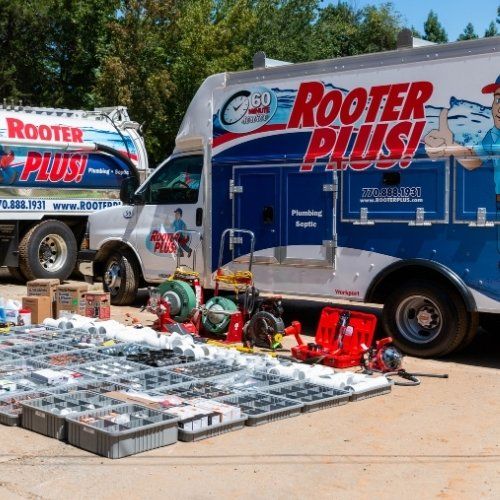
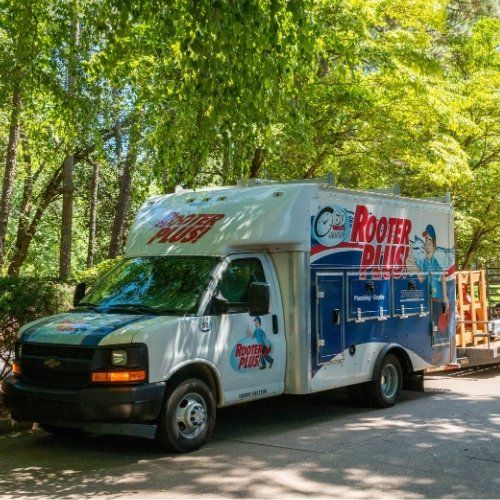
For more than 30 years, RooterPLUS has helped Metro Atlanta homeowners diagnose and resolve sewer line problems. Their licensed, background-checked technicians use camera inspection to assess every situation accurately before recommending a repair approach. Whether a sewer line needs trenchless lining, pipe bursting, or traditional excavation, the team at RooterPLUS has the equipment and experience to handle it. They serve all of Metro Atlanta, including Marietta, Decatur, Alpharetta, Smyrna, Kennesaw, Roswell, Sandy Springs, and surrounding areas.
With over 100,000 customers served and a 4.7-star rating from more than 7,800 Google reviews, RooterPLUS has built a reputation for honest assessments and fair, upfront pricing. There are no surprises on the invoice when the job is done.
If you have noticed slow drains, sewer odors, or any of the warning signs described in this article, do not wait for a full backup to prompt the call. Contact RooterPLUS at (770) 888-1931 or visit rooterplus.com to schedule a sewer line inspection. Catching a problem early almost always means a simpler, less expensive repair.