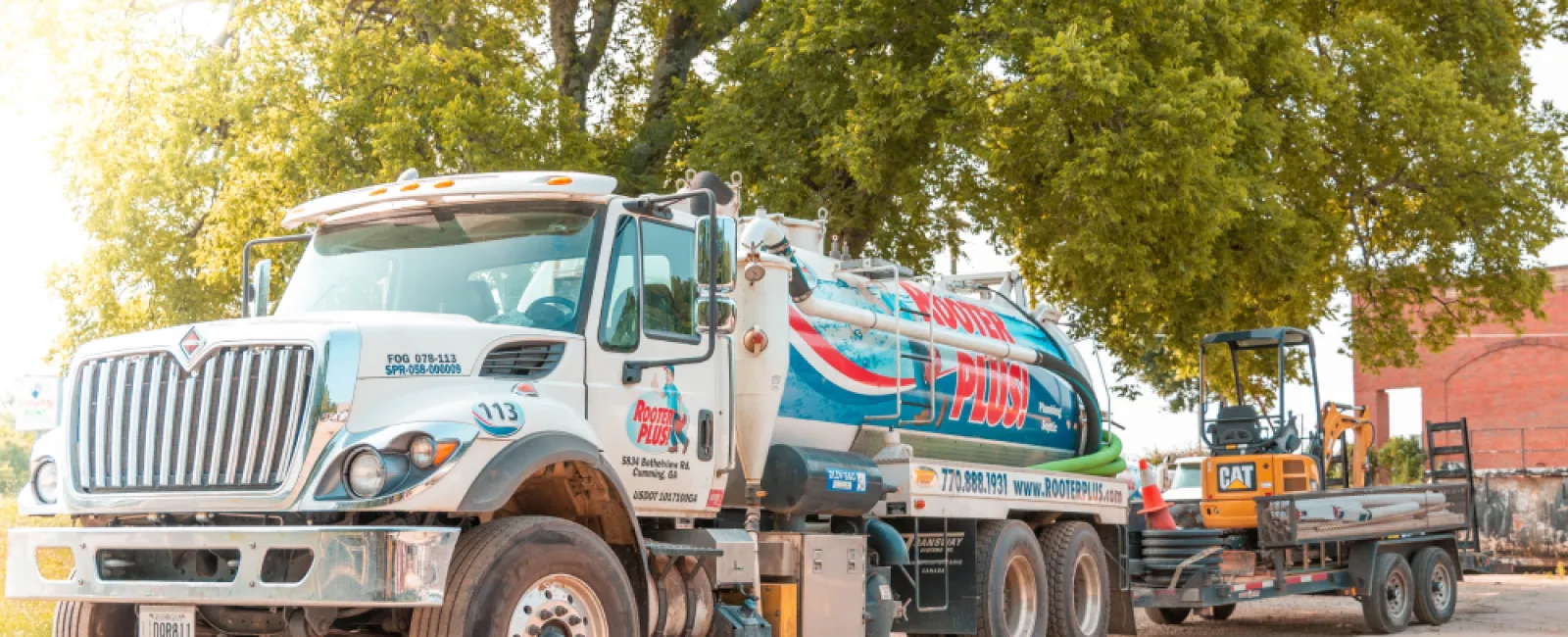
A failing sewer line used to mean one thing: a backhoe, a long trench across your lawn, and a repair bill that included re-sodding the grass and patching the driveway. That is no longer your only option. Trenchless sewer repair lets a licensed plumber fix a damaged line with little or no digging, often through one or two small access points. For Atlanta homeowners living with shifting clay soil and decades-old pipes, it ranks among the biggest plumbing upgrades of the past thirty years.
What Is Trenchless Sewer Repair?
Trenchless sewer repair covers a set of methods for restoring or replacing an underground sewer line without excavating the pipe's full length. Rather than opening a trench along the pipe's entire run, a plumber reaches the line through a small pit or an existing cleanout, then rebuilds the pipe from the inside or pulls a new one along the same path.
You end up with the same working sewer line a traditional dig would give you, minus most of the damage to your yard and hardscape. Many trenchless repairs wrap up in a single day, and a properly installed line can last around 50 years.
How Does Trenchless Sewer Repair Work?
Two methods handle most residential jobs, and a camera decides which one fits your pipe. A sewer camera inspection pinpoints the damage, measures the pipe, and shows whether trenchless is a safe fit before any work begins.
Pipe lining, also called cured-in-place pipe, rebuilds the line from the inside. A plumber pulls a flexible liner coated in epoxy resin into the damaged pipe, inflates it against the old walls, and lets the resin harden into a smooth new pipe formed inside the original. This works well for pipes that are cracked, corroded, or invaded by roots but still hold their shape.
Pipe bursting replaces the line outright. When a pipe is too far gone to reline, a plumber pulls a cone-shaped bursting head through it. The head fractures the old pipe outward and drags a new one in behind it on the same pass. This is the method for pipes that have collapsed, sagged, or lost too much wall to hold a liner.
Signs Your Sewer Line May Need Repair
You rarely see a sewer problem coming, but your plumbing usually drops hints first. Call a professional if you notice:
- Slow drains in several fixtures at once, not just a single sink
- Gurgling from toilets or drains when water runs elsewhere
- Sewage odors inside the home or over the yard
- Water or waste backing up into tubs and floor drains
- Green, soggy, or sunken patches in the yard along the sewer path
- Clogs that keep returning after you clear them
Any one of these can mean a simple clog. Several at once more often signal a line problem, and the sewer line repair warning signs tend to worsen the longer they go unaddressed.
Why Atlanta Sewer Lines Fail in the First Place
Metro Atlanta gives sewer pipes a hard life. Our red clay swells when wet and shrinks when dry, and that constant movement stresses the joints and walls of any pipe buried in it. Over the years, the flexing shows up as cracks, offsets, and separated joints. Georgia clay soil is especially rough on the older laterals still in service across the metro.
Age piles on. Plenty of older Atlanta homes still run on cast iron or clay sewer laterals installed decades ago. Cast iron drain lines corrode from the inside and eventually flake apart, while clay tile draws tree roots straight through its joints. If your home went up before the 1980s, that line may already be near the end of its service life.
Trenchless vs. Traditional Dig: What Changes for You
The biggest difference you feel is what happens above ground. A traditional dig-and-replace opens a trench along the full length of the line, which can mean lost grass, torn-up flower beds, and a cracked driveway or patio to restore afterward. Those restoration costs are real, and they are easy to overlook when you compare quotes.
Trenchless leaves your yard mostly intact. Fewer access points mean less excavation and far less mess, with your water shut off for a shorter stretch. When the line runs under a driveway, a mature tree, or a finished patio, that gap decides whether you have a routine repair or a small renovation.
How Much Does Trenchless Sewer Repair Cost?
Every line is different, so an honest number starts with an inspection, not a phone quote. Cost depends on the length of the run, how deep the pipe sits, which method the pipe needs, and how many access points the job requires. A short spot repair sits at the low end, while relining or bursting the entire run costs more.
Compared side by side, trenchless often looks close to traditional repair on the pipework alone, then pulls ahead once you add the price of restoring a torn-up yard, driveway, or patio to a dig-and-replace job. At RooterPLUS!, you get an upfront written estimate before any work starts, with no phone quotes, no surprise charges, and no upsells. You know the number before we pick up a tool.
Is Trenchless Right for Every Repair?
Not always, and any plumber who claims otherwise is skipping part of the story. Pipe lining needs a host pipe intact enough to hold the liner, so a fully crushed or badly misaligned line may call for pipe bursting or, in rarer cases, a traditional dig. Pipe depth and the location of bends and connections can also steer the choice. That is why the camera inspection comes first: it lets a plumber match the method to the pipe instead of forcing one approach onto every job.
Talk to a Licensed Atlanta Sewer Specialist
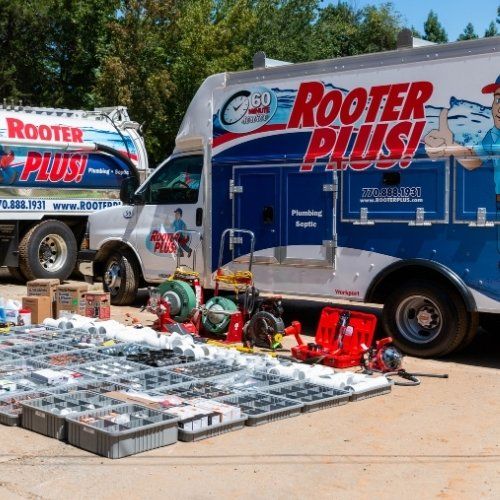
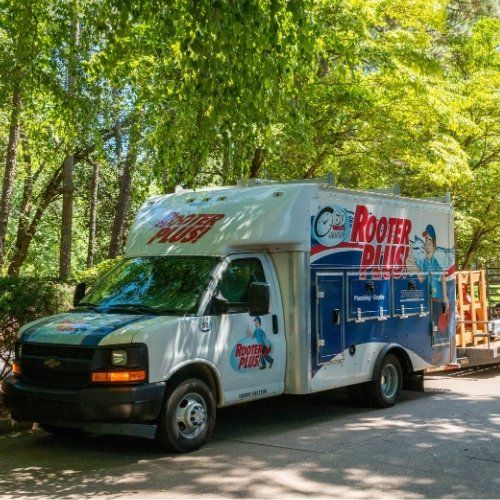
RooterPLUS! has served Metro Atlanta since 1994, and every technician is Georgia-licensed, background-checked, and drug-screened. We answer every call with live dispatch, never voicemail, and we never add charges for nights, weekends, or holidays. If your drains are slow, your yard smells, or clogs keep returning, we can put a camera on the line and walk you through the results and your repair options before any work starts.
Call RooterPLUS! at (770) 888-1931 to schedule an inspection. RooterPLUS! provides sewer and drain services across Metro Atlanta, including camera inspections, pipe lining, and pipe bursting.