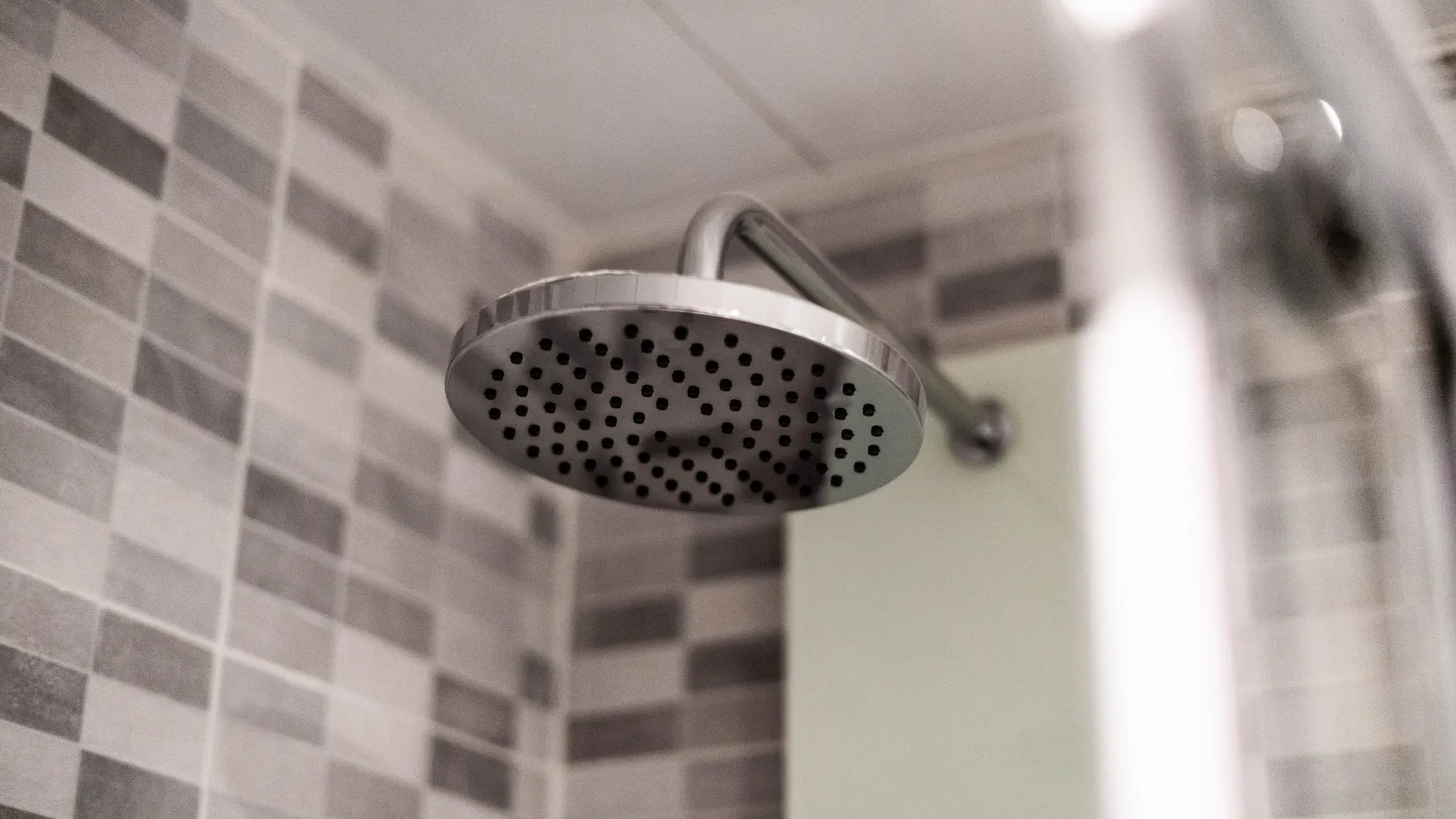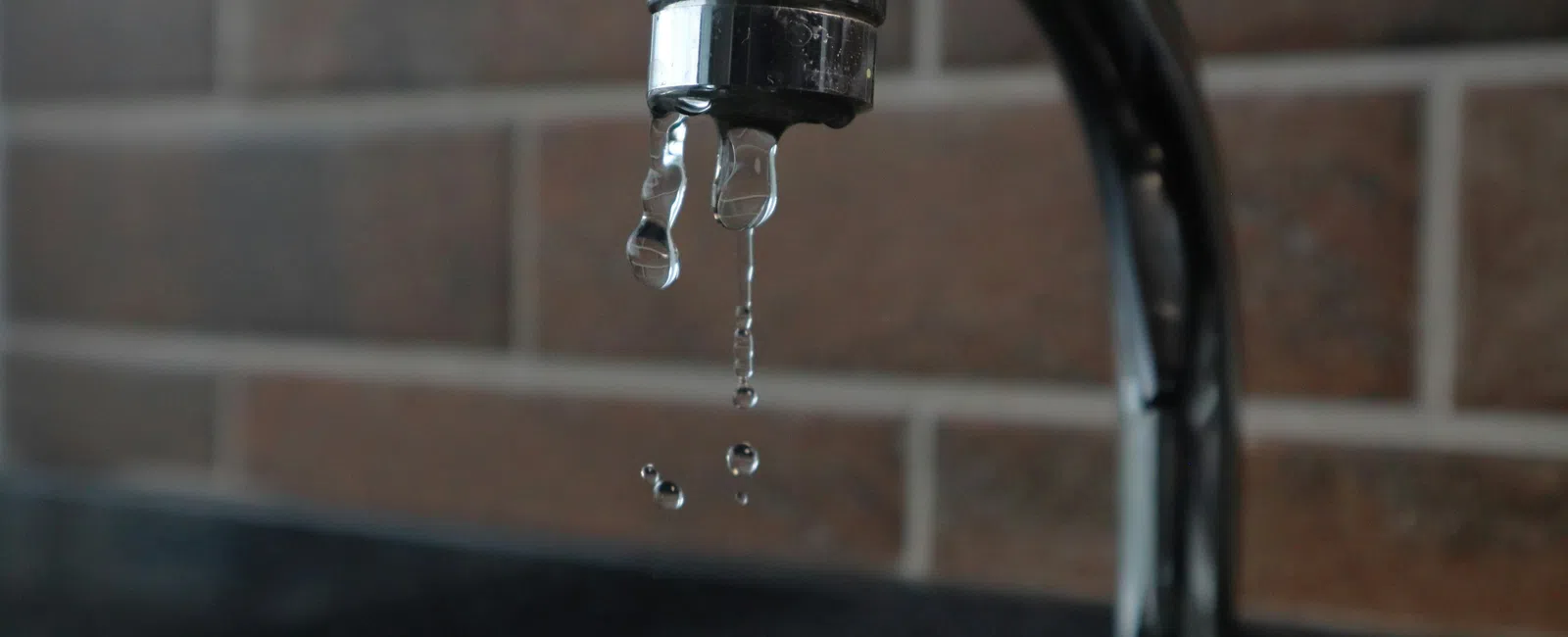
Low hot water pressure while the cold side runs at full force tells you something specific: the problem is isolated to your water heater or the hot water lines, not the pressure coming into the house. If the whole house were losing pressure, the cold would drop right along with the hot.
When only the hot side weakens, the trouble sits somewhere between the top of your water heater and the fixtures it feeds, and that narrows the list of causes considerably.
This is a common call, and the fixes range from a fifteen-minute part swap to flushing a tank full of sediment. Let me walk you through what is actually going on so you know whether you are looking at something simple or something that needs a plumber out to the house.
The Dip Tube Is the First Thing to Check
Inside your water heater, a plastic dip tube runs from the cold water inlet down to the bottom of the tank, so incoming cold water gets heated instead of mixing with the hot at the top. On older heaters, that tube can crack or crumble with age. When it breaks apart, small plastic fragments float up and out with the hot water, then lodge in aerators, showerheads, and cartridge valves. The result is weak hot water pressure at some or all fixtures, often with little white or gray flecks showing up in the aerator screens.
A failing dip tube is one of the most common reasons for low hot water pressure in a heater that is eight years or older. Replacing the tube and clearing the debris out of the affected fixtures fixes it, but the debris tends to spread through the system, so it is worth having the whole hot side checked rather than just the one slow faucet.
Sediment Building Up in the Tank
Atlanta water carries enough mineral content that sediment settles on the bottom of a water heater tank over the years, and that layer does two things. It insulates the burner from the water so the heater works harder, and it restricts the flow of hot water leaving the tank. A heater that has never been flushed can build up a surprising amount of scale, which chokes down the hot water pressure heading out to the house. Our hard water article covers why this happens faster in some homes than others.
Flushing the tank clears the sediment and often restores the pressure, and it is part of routine upkeep that extends the life of the unit. If the buildup has gone too far or the tank is already near the end of its run, the better move is replacement rather than fighting a losing battle. Either way, water heater service is where this gets diagnosed properly.
A Valve That Never Got Reopened
Sometimes the cause is very simple. The shutoff valve on the hot side of the water heater can get left partly closed after a repair or an installation, which throttles the hot water flow to the entire house. Before assuming the worst, it is worth checking that the valve at the top of the heater is turned fully open. This will not be the answer often, but when it is, it saves everyone a lot of trouble.
Scale in the Hot Water Lines
Hot water is harder on pipes than cold, so scale and mineral deposits build up faster on the hot side. Over many years, that buildup narrows the interior of the hot water lines, particularly in older galvanized pipe, until the pressure at the fixtures noticeably drops. This one develops slowly, so homeowners often do not notice until the hot water has become a trickle. Clearing or repiping the affected run restores the flow, and it is the kind of thing that shows up more in older housing stock around the metro area.
Matching the Symptom to the Cause
The details of how the pressure drops usually point toward the culprit. Here is the short version of what each cause looks like and what it takes to fix.
| The cause | What is happening | The fix |
|---|---|---|
| Broken dip tube | The tube that sends cold water to the bottom of the tank has crumbled, and pieces are clogging fixtures and aerators | Replace the dip tube, clear the debris |
| Sediment in the tank | Mineral buildup on the tank floor is restricting hot water flow out of the heater | Flush the tank, or replace if far gone |
| Partially closed shutoff | The valve on the hot side of the heater was left partly closed after service | Open the valve fully |
| Clogged hot water lines | Scale has narrowed the hot-side pipes over years, common with hard water | Inspect and clear or repipe the affected run |
Hot Water Down to a Trickle?
RooterPLUS! has diagnosed and fixed hot water problems across metro Atlanta since 1994, in more than 100,000 homes. We will pinpoint the restriction, fix the real cause, and give you a written estimate before any work starts. No guessing and no phone quotes.
Live dispatch answers 24/7 with no upcharge for nights, weekends, or holidays. GA Plumbing License #MP207808.
Call 770-888-1931 or schedule service online.