Your water heater is making strange popping noises. Your hot water doesn't last as long as it used to. Your energy bills keep climbing even though you haven't changed your habits. And you're starting to see white, crusty buildup around faucets and showerheads throughout your house.
These aren't random problems. They're all symptoms of the same issue: hard water is slowly destroying your water heater from the inside out.
In the Atlanta area, hard water affects most homes. The minerals in our water supply accumulate inside your water heater tank, creating sediment that reduces efficiency, shortens lifespan, and eventually causes complete failure. Most homeowners don't realize there's a problem until their water heater is already damaged.
At RooterPLUS, we've serviced thousands of water heaters across Atlanta, and we see the same pattern repeatedly: hard water damage that could have been prevented with proper maintenance. This guide explains exactly how hard water affects your water heater and what you can do to protect your investment.
What Is Hard Water and Do You Have It?
Hard water refers to water with high concentrations of dissolved minerals, primarily calcium and magnesium. All water contains some minerals, but hard water has enough mineral content to cause problems in your plumbing system and appliances.
Water hardness is measured in milligrams per liter (mg/L) or parts per million (ppm):
- Soft water: 0-60 mg/L
- Moderately hard: 60-120 mg/L
- Hard: 120-180 mg/L
- Very hard: 180+ mg/L
According to the U.S. Geological Survey, approximately 85% of American homes receive hard water. In Georgia, particularly in the Atlanta metro area, most municipal water supplies fall into the "hard" to "moderately hard" categories, with some areas experiencing very hard water.
Signs You Have Hard Water
You don't necessarily need a water test kit to know you have hard water. The evidence shows up throughout your home:
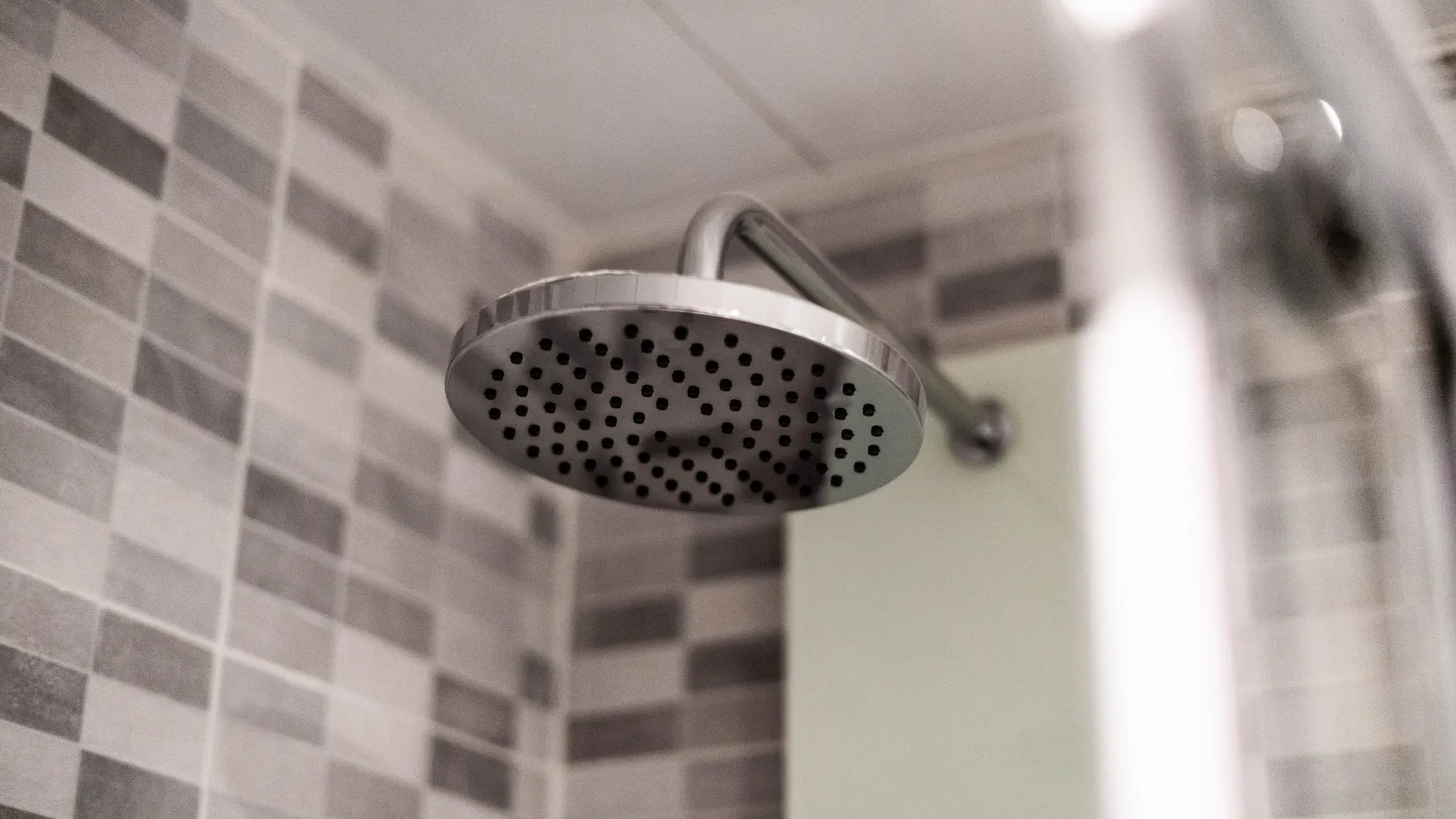
White or chalky deposits on faucets and showerheads. These crusty buildup spots are mineral deposits left behind when water evaporates. If you see them on your fixtures, the same minerals are accumulating inside your water heater.
Soap scum that's hard to remove. Hard water prevents soap from dissolving properly, leaving behind a filmy residue on shower doors, tubs, and dishes. If you feel like you can never get things truly clean, hard water is likely the culprit.
Stiff, scratchy laundry. Clothes washed in hard water feel rough and may look dingy even after washing. The minerals prevent detergent from working effectively and deposit onto fabric fibers.
Water spots on dishes and glassware. Those cloudy spots that won't wipe off are mineral deposits. They're harmless but annoying—and they indicate that minerals are also building up in your appliances.
Reduced water pressure. As minerals accumulate inside pipes, they narrow the passage for water flow. If your water pressure has gradually decreased over time, mineral buildup might be restricting flow.
Appliances that fail prematurely. Water heaters, dishwashers, and washing machines in hard water areas typically have shorter lifespans than those in soft water areas. The constant mineral buildup accelerates wear and tear.
If you're experiencing several of these issues, you almost certainly have hard water, and it's affecting your water heater whether you realize it or not.
How Hard Water Damages Your Water Heater
Understanding the damage process helps you recognize why regular maintenance is so critical.
The Sediment Buildup Process
Here's what happens inside your water heater:
Step 1: Water enters the tank Cold water from your main supply line enters the bottom of your water heater tank. This water contains dissolved minerals—primarily calcium and magnesium carbonates.
Step 2: Heating causes mineral precipitation When water temperature rises above 140°F, the minerals become less soluble. They precipitate out of the water and form solid deposits. Think of it like sugar crystallizing from a supersaturated solution.
Step 3: Minerals settle at the bottom These solid mineral particles are heavier than water, so they sink to the bottom of the tank. Over time, they accumulate into a thick layer of sediment that can be several inches deep.
Step 4: The sediment layer hardens As more minerals deposit on top of previous layers, the sediment compacts and hardens. Eventually, it forms a rock-like crust at the bottom of your tank.
The Damage This Causes
That layer of sediment isn't just sitting there harmlessly. It actively damages your water heater in several ways:
Reduced heating efficiency The sediment creates an insulating barrier between the heating element (electric water heaters) or burner (gas water heaters) and the water that needs to be heated. Your water heater has to work harder and longer to heat water to the target temperature.
The result? Higher energy bills. A water heater with significant sediment buildup can use 20-30% more energy than a clean one. Over time, you're wasting hundreds of dollars on utility costs.
Popping and rumbling noises As the heating element or burner tries to heat water, steam bubbles form underneath the sediment layer. These bubbles force their way up through the sediment, creating the popping or rumbling sounds you hear.
These noises aren't just annoying—they indicate that sediment has built up enough to interfere with normal operation. The constant heating and cooling of the sediment layer also causes stress to the tank bottom.
Temperature sensor malfunctions Many water heaters have temperature sensors that monitor water temperature and regulate heating cycles. When sediment covers these sensors, they can't accurately read the water temperature.
This can cause the water heater to overheat water (creating scalding hazards) or underheat it (leaving you with lukewarm showers). It can also cause the system to cycle on and off improperly, further reducing efficiency and increasing wear.
Accelerated component wear For electric water heaters, sediment buildup around heating elements causes them to overheat and fail prematurely. The elements are designed to be fully submerged in water, which cools them. Sediment insulation causes them to run hotter than designed, shortening their lifespan dramatically.
For gas water heaters, the sediment at the tank bottom directly above the burner absorbs and holds heat, causing hot spots that weaken the tank structure over time.
Tank corrosion and leaks The sediment layer can trap water against the tank bottom, creating conditions for accelerated corrosion even in tanks with protective glass linings. Repeated cycles of sediment layering between hot and cold can cause microscopic cracks in the tank lining.
Additionally, the constant stress from sediment buildup eventually weakens the tank structure. Small cracks develop into leaks. Once a tank starts leaking, replacement is the only option—water heater tanks cannot be repaired.
Reduced hot water capacity As sediment accumulates, it takes up space in your tank that should be filled with hot water. A water heater with 6-8 inches of sediment at the bottom might have lost 10-15% of its effective capacity. You'll notice you run out of hot water sooner than you used to.
Impact on anode rod The sacrificial anode rod in your water heater protects the tank from corrosion by attracting corrosive elements. Sediment buildup can cover or interfere with the anode rod, preventing it from doing its job effectively and allowing corrosion to attack the tank directly.
Hard Water Affects All Types of Water Heaters
The specific symptoms vary, but hard water causes problems for every type of water heater.
Tank-Type Water Heaters
Traditional storage tank water heaters are most susceptible to sediment damage because they continuously maintain a large volume of hot water. The constant high temperature maximizes mineral precipitation.
The sediment settles at the tank bottom where heating elements or burners are located, creating the most damaging conditions. These water heaters typically show the most dramatic symptoms—loud popping noises, significant efficiency loss, and eventual tank failure.
Tankless Water Heaters
Tankless water heaters heat water on-demand as it flows through a heat exchanger. Many homeowners assume they're immune to hard water problems because there's no storage tank. This is incorrect.
Mineral deposits accumulate on the heat exchanger surfaces, reducing heat transfer efficiency and eventually blocking water flow passages. The narrow passages in tankless units can actually clog faster than traditional tanks.
Symptoms in tankless units include reduced flow rate, failure to reach target temperature, error codes related to overheating, and complete system failure if the heat exchanger becomes severely fouled.
Heat Pump Water Heaters
Heat pump water heaters use electricity to move heat from surrounding air into the water tank. They're extremely efficient but still vulnerable to hard water.
The tank portion experiences the same sediment buildup as traditional electric water heaters. The heat pump components themselves aren't directly affected by hard water, but sediment in the tank reduces the system's overall efficiency and can cause the same component failures as traditional tanks.
The Hidden Costs of Ignoring Hard Water
Most homeowners don't think about their water heater until it fails. Here's what ignoring hard water problems actually costs you:
Shortened water heater lifespan: A properly maintained water heater should last 10-15 years. In hard water areas without proper maintenance, many fail in 6-8 years. Replacing a water heater costs $1,200-$2,500 or more depending on the type and capacity.
Higher energy bills: The efficiency loss from sediment buildup costs $150-$300+ annually in wasted energy for a typical household. Over the life of the water heater, that's thousands of dollars.
Emergency replacement costs: When a water heater fails unexpectedly, you're forced to pay emergency service rates and accept whatever is available immediately rather than shopping for the best price or preferred model.
Water damage from leaks: A leaking water heater can cause substantial water damage to flooring, walls, and stored items. Water damage repairs often cost thousands of dollars and may not be fully covered by insurance if the leak resulted from lack of maintenance.
Plumbing system damage: Hard water doesn't just affect your water heater. The same minerals accumulate throughout your plumbing system, potentially causing expensive pipe blockages and fixture failures.
Protecting Your Water Heater from Hard Water Damage
The good news is that hard water damage is largely preventable with proper maintenance and, in some cases, water treatment.
Regular Water Heater Flushing
Flushing your water heater removes accumulated sediment before it causes serious damage. This is the single most important maintenance task for water heaters in hard water areas.
How often to flush:
- Soft to moderately hard water: Annually
- Hard water: Every 6-8 months
- Very hard water: Every 4-6 months
What flushing involves: For tank-type water heaters, flushing means draining water from the tank until it runs clear, removing sediment that has accumulated at the bottom. Professional plumbers typically:
- Turn off the water heater
- Shut off the water supply
- Connect a hose to the drain valve
- Open the drain valve and drain several gallons
- Open the cold water supply briefly to stir up sediment
- Repeat the drain-and-flush process until water runs clear
- Refill the tank and restart the water heater
For tankless water heaters, flushing requires circulating a descaling solution through the unit using a submersible pump. This process dissolves mineral deposits from the heat exchanger.
DIY vs. professional flushing: Homeowners can flush tank-type water heaters themselves, but there are advantages to professional service:
- Professionals can inspect the anode rod and replace it if necessary
- They can identify problems early before they require expensive repairs
- They have the equipment to flush tankless units thoroughly
- They can check for leaks, corrosion, and other issues during the service
- Professional flushing ensures the job is done correctly without damaging components
At RooterPLUS, our water heater flushing service includes a complete inspection, sediment removal, anode rod check, and testing to ensure everything operates correctly after service.
Water Softener Installation
For homes with very hard water, installing a water softener addresses the problem at its source by removing minerals before water enters your plumbing system.
How water softeners work: Water softeners use ion exchange to remove calcium and magnesium ions (which cause hardness) and replace them with sodium ions. The treated water flowing through your plumbing system and into your water heater contains minimal minerals.
Benefits of water softeners:
- Virtually eliminates sediment buildup in water heaters
- Extends the life of all water-using appliances
- Improves water heater efficiency
- Eliminates soap scum and water spots
- Makes laundry softer and soap more effective
- Reduces cleaning time and product use
Costs and considerations: Water softeners typically cost $1,500-$3,000 installed, depending on capacity and type. They require periodic addition of salt and occasional maintenance.
For homes with very hard water, a water softener typically pays for itself within a few years through extended appliance life and reduced energy costs.
Anode Rod Replacement
The anode rod is a sacrificial component inside your water heater tank that attracts corrosive elements, protecting the tank from rust. In hard water conditions, the anode rod degrades faster.
Most anode rods should be inspected annually and replaced every 3-5 years. In very hard water, replacement may be needed every 2-3 years. Replacing an anode rod costs $150-$300 but can add years to your water heater's life by preventing tank corrosion.
Temperature Management
Running your water heater at excessively high temperatures accelerates mineral precipitation. The standard recommendation is 120°F, which provides adequate hot water for most households while minimizing sediment buildup and scalding risk.
Higher temperatures (140°F+) increase mineral precipitation, energy consumption, and scalding danger. Lower your temperature setting if it's currently above 120°F unless you have specific needs that require hotter water.
When to Call a Professional
Some situations require professional attention rather than DIY maintenance:
Your water heater has never been flushed: If you don't know when (or if) it was last flushed, and it's more than 2-3 years old, have a professional service it. Attempting to flush a water heater with years of hardened sediment can cause problems if not done correctly.
You're hearing loud popping or banging: Significant noise indicates substantial sediment buildup that requires thorough flushing and inspection for damage.
Your hot water is rusty or discolored: This could indicate advanced corrosion that requires professional evaluation.
You have a tankless water heater: Tankless units require specific equipment and expertise to flush properly. DIY attempts can damage the heat exchanger.
You're experiencing frequent problems: If you're constantly dealing with water heater issues, a professional can diagnose whether hard water damage, component failure, or other problems are responsible.
RooterPLUS Water Heater Services
At RooterPLUS, we provide comprehensive water heater services throughout the Atlanta area:
Water heater flushing and maintenance: We'll remove sediment buildup, inspect all components, test for proper operation, and recommend any needed repairs.
Water heater repair: From heating element replacement to thermostat repairs, we fix all types of water heater problems.
Water heater replacement: When repair isn't cost-effective, we'll help you choose the right replacement unit and professionally install it.
Water softener installation: We can evaluate your water hardness and install a whole-home water softener if appropriate for your situation.
Emergency service: Water heater problems don't wait for business hours. We offer 24/7 emergency service when you need it.
Our licensed technicians arrive with a smile, explain everything clearly, and complete work professionally. We never start work without your approval, and we stand behind everything we do.
Is hard water damaging your water heater? Contact RooterPLUS today for professional water heater service. We'll inspect your system, remove sediment buildup, and help you develop a maintenance plan that protects your investment and keeps hot water flowing reliably.
Don't wait until your water heater fails. A small investment in maintenance today prevents expensive emergency replacements tomorrow.
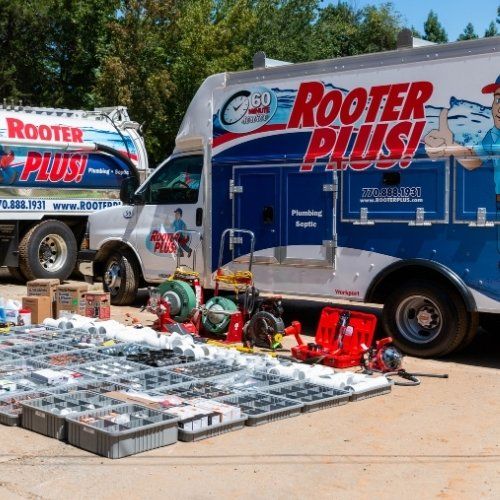
RooterPLUS provides professional plumbing services throughout the Atlanta area, including water heater installation, repair, maintenance, and 24/7 emergency service. Our licensed technicians deliver honest, reliable service that Atlanta homeowners trust.