Low water pressure frustrates homeowners every time they try to shower, wash dishes, or fill a pot with water. What should take seconds stretches into minutes as water trickles from faucets and showerheads. Understanding what causes low water pressure helps you identify whether you're facing a simple fix or a problem requiring professional plumbing attention.
Identifying Where the Problem Exists
Before diagnosing the cause, determine whether low pressure affects your entire home or isolated fixtures. This distinction points toward different underlying problems requiring different solutions.
Test multiple fixtures throughout your home including kitchen and bathroom sinks, showers, and outdoor hose connections. If all fixtures show reduced pressure, the problem likely involves your main water line, pressure regulator, or municipal water supply. If only specific fixtures have low pressure, the issue is localized to those fixtures or their supply lines.
Check both hot and cold water at each fixture. Low pressure affecting only hot water indicates problems with your water heater or hot water supply lines rather than your main plumbing system. Cold water pressure remaining strong while hot water trickles suggests sediment buildup in your water heater or partially closed hot water shut-off valves.
Ask neighbors whether they're experiencing similar pressure problems. If multiple homes in your Atlanta neighborhood have reduced pressure simultaneously, the municipal water system may be experiencing issues or performing maintenance affecting supply pressure. In these cases, the problem resolves when the utility company completes their work.
Common Causes of Whole-House Low Pressure
When every fixture in your home shows reduced pressure, several whole-house issues may be responsible. These problems affect your entire plumbing system rather than individual fixtures.
Pressure regulators failing or requiring adjustment create widespread low pressure. These devices protect your plumbing from excessive municipal water pressure, but when they fail or are set too low, they restrict flow throughout your home. Pressure regulators typically last 7 to 12 years before requiring replacement. If your home's regulator is approaching this age and you're experiencing low pressure, the regulator is a likely culprit.
Partially closed main shut-off valves restrict water entering your home. These valves sometimes get turned partially closed during plumbing work and inadvertently left in that position. Check your main water shut-off valve, typically located where the water line enters your home, and ensure it's fully open. Gate valves should be turned counterclockwise until they stop, while ball valves should be positioned so the handle aligns with the pipe.
Corroded pipes in older Atlanta homes reduce water flow through accumulated mineral deposits and rust buildup. Galvanized steel pipes common in homes built before 1960 corrode internally over decades, significantly restricting water flow. This corrosion worsens gradually, so you may not notice pressure declining until it becomes severe. Homes with original galvanized plumbing often require repiping to restore proper pressure.
Water leaks in your main supply line or underground plumbing reduce pressure by diverting water before it reaches your fixtures. Even small leaks waste significant water volume, dropping pressure throughout your home. Check your water meter when no water is being used—if it shows movement, you have a leak somewhere in your system.
Municipal water pressure fluctuations affect homes particularly during peak usage times when many neighbors use water simultaneously. Atlanta's water system generally maintains adequate pressure, but areas with older infrastructure or homes at higher elevations sometimes experience pressure drops during morning and evening peak usage hours.
Fixture-Specific Low Pressure Causes
When low pressure affects only certain fixtures, the problem typically involves those specific fixtures or their immediate supply lines rather than your whole plumbing system.
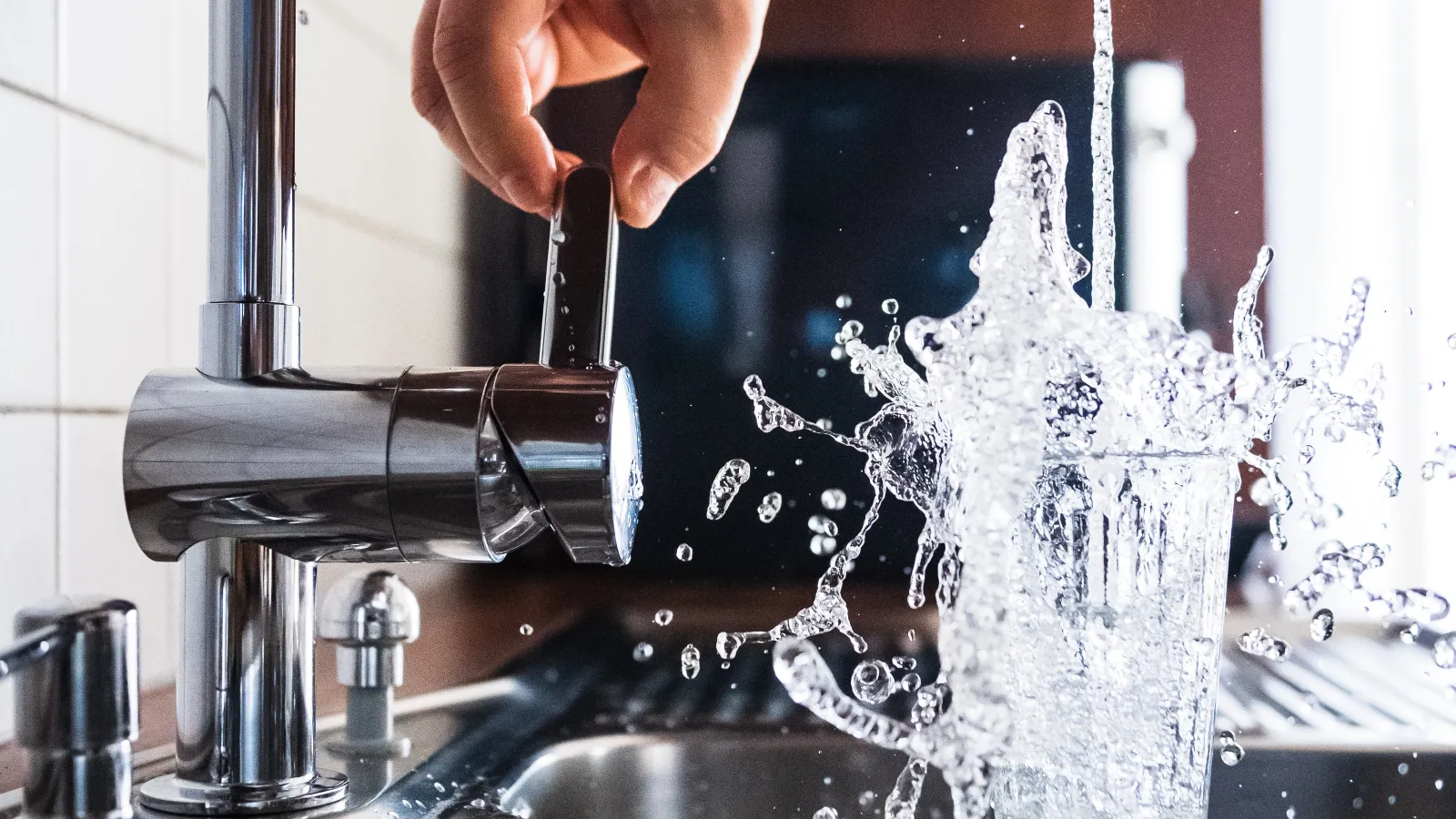
Clogged aerators account for the majority of single-fixture low pressure complaints. These small screens at faucet spouts trap sediment and mineral deposits, restricting water flow. Unscrew the aerator from the faucet spout, rinse away accumulated debris, and reinstall. If mineral buildup is severe, soak the aerator in white vinegar for several hours to dissolve deposits before reinstalling.
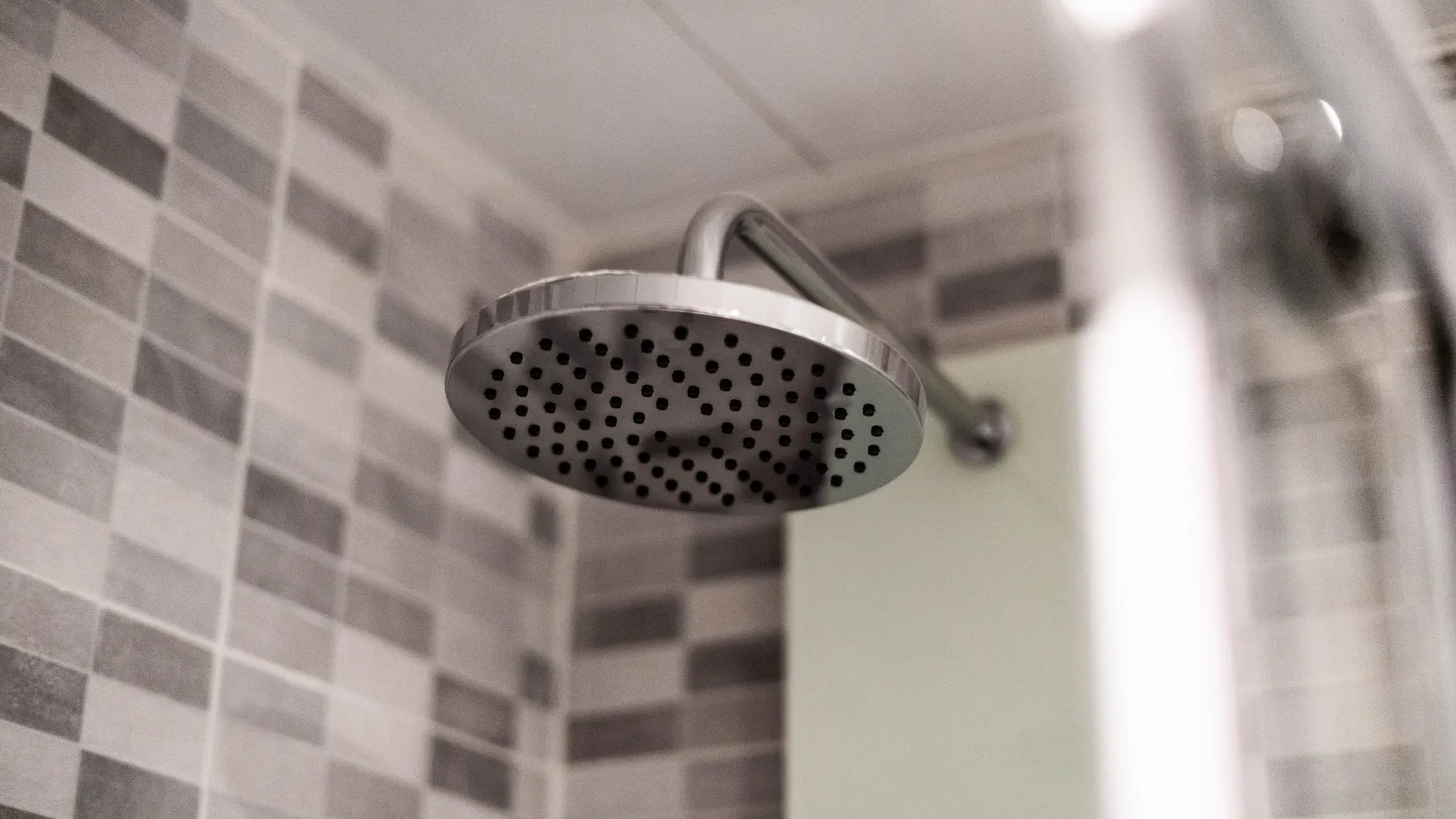
Showerhead clogs from mineral buildup reduce shower pressure over time. Atlanta's moderately hard water contains minerals that accumulate in showerhead spray holes. Remove the showerhead and soak it in vinegar solution overnight, then scrub spray holes with an old toothbrush to remove loosened deposits. For severe buildup, replace the showerhead rather than attempting to clean it.
Partially closed fixture shut-off valves under sinks restrict water flow to that fixture. These small valves allow you to shut off water to individual fixtures without affecting your whole home. Check that valves under affected sinks are fully open—they should be turned counterclockwise as far as they'll go.
Kinked or damaged supply lines feeding individual fixtures restrict flow. The flexible supply lines connecting shut-off valves to faucets can become kinked during installation or when items stored under sinks push against them. Inspect supply lines for bends or damage and straighten or replace them as needed.
Failed cartridges or valve seats inside faucets reduce water flow even when supply pressure is adequate. Single-handle faucets use cartridges that control water flow and temperature. As these cartridges wear, they restrict flow. Replacing the cartridge often restores proper pressure to the affected faucet.
Water Heater Issues Affecting Hot Water Pressure
Low hot water pressure with normal cold water pressure indicates problems with your water heater or hot water distribution system rather than your main plumbing.
Sediment accumulation in water heaters restricts flow through the tank and clogs the hot water outlet. Atlanta's water contains minerals that settle at the tank bottom over years of operation. This sediment layer eventually builds enough to affect water flow. Flushing your water heater annually prevents excessive sediment buildup, but tanks that haven't been maintained may require professional service or replacement.
Partially closed hot water shut-off valves restrict hot water flow throughout your home. Check the shut-off valve on your water heater's cold water supply line and the hot water outlet valve to ensure both are fully open.
Failed dip tubes in water heaters cause mixing of hot and cold water that reduces effective hot water temperature and pressure. The dip tube directs incoming cold water to the tank bottom. When it fails, cold water mixes with hot water at the top of the tank, reducing both temperature and pressure. Dip tube replacement requires draining the tank and should be performed by professionals.
When to Call Professional Plumbers
Some low pressure situations require professional diagnosis and repair rather than DIY solutions. Understanding when to call experts prevents wasted time on problems beyond typical homeowner capabilities.
Whole-house pressure problems persisting after checking shut-off valves and pressure regulators need professional assessment. Licensed plumbers have equipment to measure actual water pressure, identify leaks, and evaluate whether pipe corrosion or municipal supply issues are responsible.
Suspected pipe corrosion or main line leaks require professional detection and repair. Plumbers use specialized leak detection equipment including acoustic sensors and video inspection to locate problems without unnecessary excavation. Repiping corroded supply lines ensures long-term pressure restoration and prevents future problems.
Water heater issues beyond simple shut-off valve checks need expert attention. Sediment removal, dip tube replacement, and determining whether repair or replacement makes sense all benefit from professional evaluation. Attempting DIY water heater repairs risks gas leaks, water damage, or ineffective fixes that don't solve underlying problems.
At RooterPlus, we provide comprehensive plumbing services throughout the Atlanta area including low water pressure diagnosis and repair. Our experienced plumbers identify whether your pressure problems stem from fixture issues, water heater problems, or whole-house plumbing concerns. We use modern diagnostic equipment to locate leaks, assess pipe condition, and measure actual water pressure, ensuring accurate diagnosis and effective solutions that restore proper water flow throughout your home.