Metro Atlanta jurisdictions enforce their own fats, oils, and grease rules, and a grease trap that is not maintained on the required schedule is one of the fastest ways for a restaurant to fail a health inspection. The trap exists to keep grease out of the sewer system, where it hardens and causes the blockages and overflows that municipalities hold food service businesses responsible for. So grease trap maintenance is not just housekeeping. It is a compliance obligation with fines and shutdown risk attached, and the specific requirements depend on which county or city your kitchen operates in.
The core of every local FOG program is the same idea, even where the details differ. Your trap has to be pumped and cleaned often enough that grease never builds past a set threshold, and you have to be able to prove it was done. Understanding both halves of that is what keeps an inspection from becoming a problem.
How a Grease Trap Actually Works
A grease trap slows the flow of kitchen wastewater long enough for grease and oil, which float, to separate from the water and collect at the top, while food solids sink to the bottom. The relatively clean water in the middle passes on to the sewer. Over time the grease layer and the solids layer both grow, and the usable space in the middle shrinks. Once those layers get too thick, grease starts carrying through into the drain line, which is where the expensive problems begin.
This is why a trap that seems to be draining fine can still be overdue for service. The sink still drains because water is finding a path, but grease is escaping into the line with it, hardening downstream where it eventually blocks the pipe entirely. Draining is not the same as compliant.
The 25 Percent Rule
Most local FOG ordinances are built around a version of what the industry calls the 25 percent rule. The combined grease and solids in the trap must never exceed 25 percent of the total liquid depth. Once buildup passes that line, the trap is no longer separating grease effectively, and you are out of compliance whether or not anything has clogged yet.
The practical takeaway is that pump out frequency is not one size fits all. A high volume kitchen doing a lot of fried food hits the 25 percent threshold far faster than a cafe, so the same trap might need monthly service in one restaurant and quarterly in another. Building the schedule around your actual grease output, rather than a generic calendar, is what keeps you both compliant and free of surprise clogs.
What Local Rules Add to the Picture
Metro Atlanta does not have a single grease ordinance. Each county and municipal water authority runs its own FOG program, and they differ on pump out intervals, trap sizing requirements, and the records they demand. Some mandate a maximum interval regardless of grease level. Most require a manifest, the documented proof that a licensed hauler pumped and disposed of the waste properly, and inspectors ask to see it. The reliable way to know your exact obligations is to check with the water authority that serves your address, the same way you would confirm any commercial plumbing requirement for the property.
The record keeping catches more restaurants than the pumping itself. An owner who has the trap serviced but cannot produce the manifests can still fail, because from the inspector's side, undocumented service did not happen. Keeping every service record on file is as much a part of compliance as the cleaning.
A Maintenance Schedule That Keeps You Compliant
A workable program combines professional pump outs with simple in house monitoring. Here is the shape of what compliant maintenance usually involves.
| Task | Typical frequency | Why it matters |
|---|---|---|
| Full pump out and cleaning | Every 1 to 3 months, or at the 25 percent rule | The core compliance requirement most ordinances enforce |
| The 25 percent rule check | Monthly, by staff | Grease and solids should never exceed a quarter of the trap depth |
| Manifest and record keeping | Every service | Inspectors ask for proof of service, and missing records fail an inspection |
| Line cleaning for heavy kitchens | As needed, often quarterly | Keeps grease from hardening past the trap into the drain line |
For kitchens where grease routinely carries past the trap into the drain line, hydrojetting clears the hardened buildup that pumping the trap alone cannot reach, scouring the line back to full diameter. That is the difference between servicing the trap and keeping the whole system clear, which is what actually prevents the backups that shut a kitchen down mid service.
Frequently Asked Questions
How often should a grease trap be cleaned?
It depends on your grease output and your local FOG ordinance, but most commercial traps need a full pump out every one to three months. The governing standard is usually the 25 percent rule, meaning the trap is serviced before grease and solids exceed a quarter of its depth. A high volume fried food kitchen may need monthly service, while a lighter operation may go quarterly.
How much does grease trap cleaning cost?
Cost depends on trap size, how much buildup has accumulated, and access. Smaller under sink units cost less than large in ground interceptors. Regular service on schedule is cheaper than emergency cleaning after a backup, and far cheaper than the fines and downtime that come from a failed inspection or a grease blockage during service.
What happens if I do not maintain my grease trap?
Two things, and both are costly. Grease escapes into your drain line and hardens, eventually blocking it and backing up your kitchen. And you fall out of compliance with your local FOG ordinance, which can mean fines and a failed health inspection. An overflowing or neglected trap is one of the more common reasons a food service business gets cited.
Can I clean the grease trap myself?
Staff can and should monitor the grease level between services, but the full pump out and disposal generally must be done by a licensed hauler, because most jurisdictions require documented, proper disposal of the waste. Doing it in house without that manifest usually will not satisfy an inspector, even if the trap is physically clean.
Keep Your Kitchen Compliant and Running
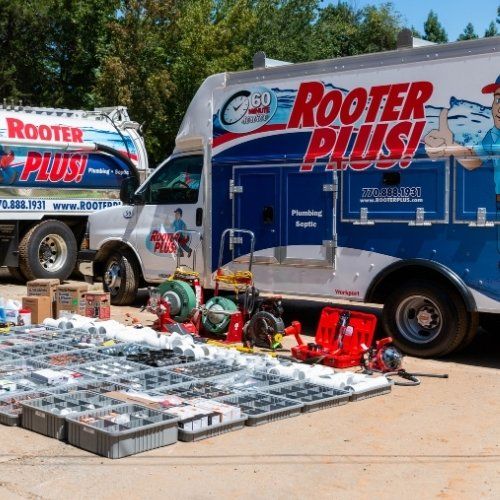
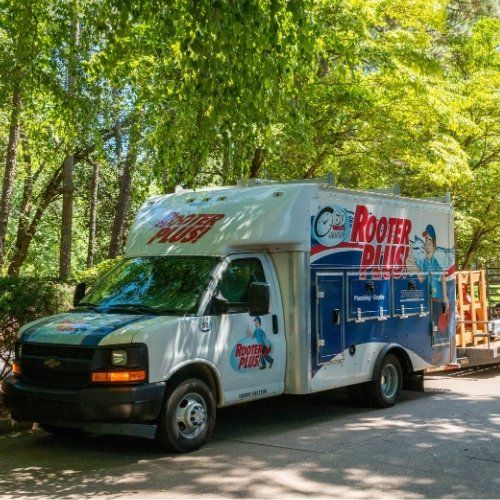
RooterPLUS! has handled commercial grease and drain work across metro Atlanta since 1994. We will build a pump out schedule around your kitchen's grease output, keep your service records in order, and clear the lines that keep a trap working, with a written estimate before any work starts.
Live dispatch answers 24/7 with no upcharge for nights, weekends, or holidays. GA Plumbing License #MP207808.
Call 770-888-1931 or schedule service online.