Slab Leak Detection: What Every Homeowner Should Know
A slab leak is one of those plumbing problems that can go unnoticed for weeks or months before a homeowner realizes something is wrong. By the time the signs become obvious, the damage has often spread well beyond the original leak. Water can compromise your foundation, ruin flooring, drive up your utility bills, and create conditions for mold growth.
At RooterPLUS!, we help homeowners catch slab leaks early and resolve them before they turn into major repairs. Here is what you need to know about slab leaks, how to spot them, and why professional detection matters.
What Is a Slab Leak?
A slab leak is a leak in the water lines running underneath the concrete foundation of your home. Most modern homes built on a slab foundation have copper, PEX, or galvanized pipes buried beneath the concrete. Over time, these pipes can corrode, shift, or develop pinhole leaks, allowing water to seep out into the soil and concrete below the house.
Because these pipes are hidden beneath several inches of concrete, slab leaks are notoriously difficult to detect without specialized tools and experience. Unlike a dripping faucet or a burst pipe under a sink, you cannot simply see a slab leak happening.
What Causes Slab Leaks?
Several factors can lead to slab leaks, and many of them have nothing to do with the age of your home.
Corrosion
Copper pipes are vulnerable to corrosion over time, especially in areas with hard water or acidic soil. Tiny holes can form in the pipe walls, leading to slow leaks that gradually worsen.
Abrasion
Pipes that rub against concrete, gravel, or other pipes can wear down over the years. The constant friction eventually creates weak points where leaks develop.
Poor Installation
If pipes were bent, kinked, or improperly soldered during construction, weak spots can form that eventually fail. This is more common in older homes but can also affect newer builds.
Shifting Soil
The ground beneath your home is not static. Soil expands and contracts with moisture changes, earthquakes, and natural settlement. This movement can stress the pipes beneath your foundation and cause them to crack or disconnect.
High Water Pressure
Water pressure that is too high puts extra strain on your plumbing system. Over time, this can weaken pipe joints and accelerate the development of leaks, including those under your slab.
Warning Signs of a Slab Leak
Slab leaks rarely announce themselves, but they do leave clues. Here are the most common signs homeowners notice.
Unexplained Increase in Water Bills
If your water usage habits have not changed but your bill has jumped significantly, a hidden leak is one of the most likely explanations. Slab leaks can waste hundreds or even thousands of gallons of water per month.
Warm Spots on the Floor
If the leak is on a hot water line, you may notice warm or hot patches on your tile, laminate, or hardwood flooring. Walking barefoot around your home is one of the easiest ways to catch this sign early.
Sound of Running Water
If you can hear water running when every faucet and appliance in your home is turned off, that is a red flag. A faint hissing or rushing sound coming from the floor or walls often points to a slab leak.
Cracks in Flooring or Walls
As water pools beneath your foundation, it can cause the concrete to shift, leading to cracks in tile, drywall, or even the foundation itself. Doors and windows may start sticking or failing to close properly.
Damp or Discolored Flooring
Moisture working its way up through the slab can cause carpets to feel damp, wood floors to warp, and tiles to loosen. You may also see discoloration or water stains that appear without any obvious source.
Mildew or Musty Odors
Trapped moisture under flooring and inside walls creates an ideal environment for mold and mildew. If you notice a musty smell that will not go away, even after cleaning, a slab leak could be the cause.
Low Water Pressure
A leak in your main water line beneath the slab can reduce the water pressure throughout your home. If your showers suddenly lose their strength or faucets seem weaker than usual, it is worth investigating.
Why Professional Detection Matters
Finding the exact location of a slab leak is not something you can do with a flashlight and a hunch. Guessing wrong means tearing up flooring and breaking concrete in the wrong spot, which turns a manageable repair into a much larger and more expensive project.
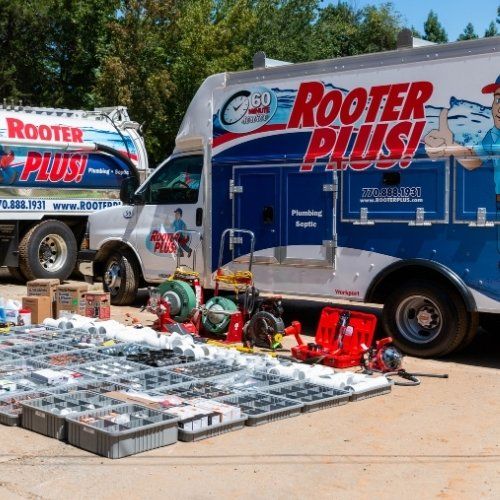
Professional plumbers use specialized equipment to pinpoint slab leaks without unnecessary damage to your home. These tools include:
Electronic listening devices that amplify the sound of water escaping from a pipe, allowing technicians to trace the leak to its source.
Thermal imaging cameras that detect temperature differences in your flooring, which can indicate the location of a hot water leak beneath the slab.
Pressure testing equipment that isolates sections of your plumbing to confirm whether a leak exists and narrow down which line is affected.
Video inspection cameras that can be fed through pipes to get a visual look at interior damage and corrosion.
The combination of these tools allows our technicians to find leaks quickly and accurately, minimizing the need for invasive exploration.
How Slab Leaks Are Repaired
Once the leak is located, there are several repair options depending on the severity and location of the damage.
Spot repair involves breaking through the concrete directly above the leak to access and repair the affected section of pipe. This is the most direct approach but does require some concrete work.
Rerouting involves bypassing the damaged pipe by running new plumbing lines through walls or ceilings. This can be a good option when multiple leaks are present or when the original pipe is in a difficult location.
Pipe coating or lining uses an epoxy material to seal the inside of existing pipes, which can be a less invasive option in certain situations.
Whole-home repiping may be recommended if the plumbing system is old, deteriorated, or has experienced multiple leaks. Replacing the entire system can provide long-term peace of mind and eliminate the risk of future slab leaks.
Our team will walk you through the options and recommend the best approach for your specific situation.
Why Acting Quickly Saves Money
Every day a slab leak goes undetected is another day of rising water bills, growing damage, and increasing repair costs. What might be a straightforward spot repair today can turn into foundation damage, flooring replacement, and mold remediation if left untreated.
Catching a slab leak early protects your home's structural integrity, preserves your flooring and finishes, and keeps repair costs manageable. It is always cheaper to fix a small leak than to rebuild a damaged foundation.
Call RooterPLUS! for Expert Slab Leak Detection
If you suspect a slab leak or have noticed any of the warning signs listed above, do not wait. Our experienced team has the tools and training to locate slab leaks accurately and repair them efficiently, with minimal disruption to your home.
We understand how stressful a hidden plumbing problem can be, and we are here to help you get answers and solutions fast. Contact RooterPLUS! today to schedule a slab leak inspection and protect your home from unnecessary damage.